


ABUJA, Nigeria — The United States is withdrawing about 200 military personnel deployed to Nigeria for counterterrorism operations, but Nigerian defense officials say the drawdown will not weaken security cooperation between the two countries. Maj. Gen. Samaila Uba, Nigeria’s director of defense information, said the personnel had been assigned to specific missions and that their departure represented a normal adjustment rather than an end to the partnership. “The relationship between Nigeria and the United States remains strong, enduring, and mutually beneficial,” Uba said.
The American personnel were deployed beginning in February as Washington and Abuja expanded cooperation against Islamic State-linked militants and other extremist organizations. Their duties initially centered on training, intelligence gathering and technical assistance to Nigerian forces. The deployment followed U.S. airstrikes on suspected Islamic State targets in Nigeria in December and came as President Donald Trump’s administration increased pressure on Abuja over attacks on Christian communities. Nigerian authorities have rejected claims that the country systematically persecutes Christians, saying extremist and criminal groups kill both Christians and Muslims.
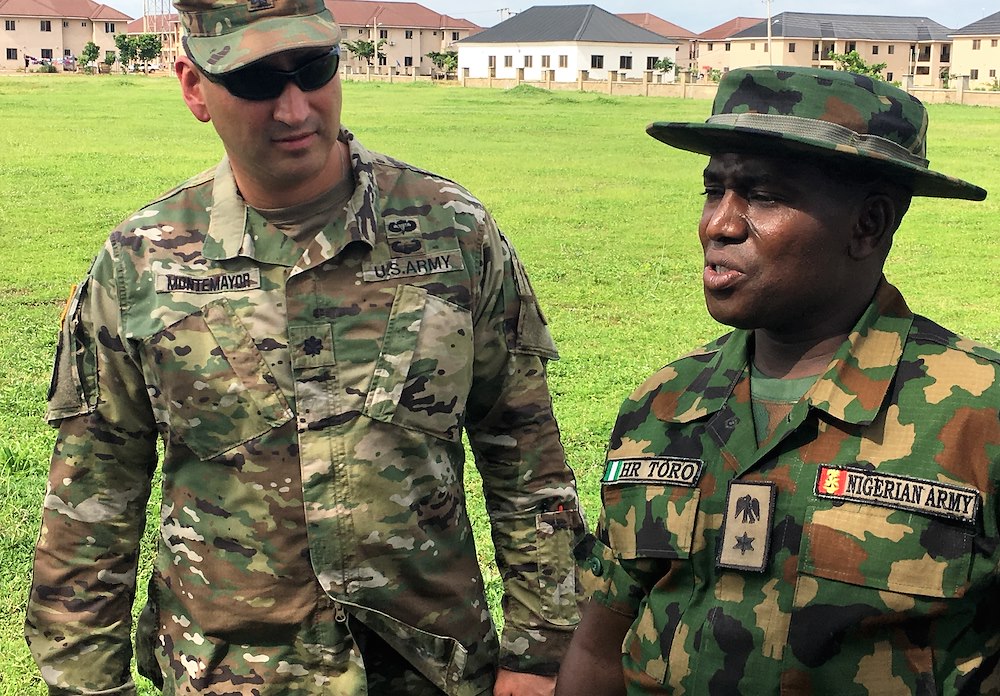
U.S. involvement later extended beyond training and intelligence support. American and Nigerian forces conducted a joint operation in northeastern Nigeria in May that killed Abu-Bilal al-Minuki, described by officials as the Islamic State group’s second-ranking global leader, along with other militants. Gen. Dagvin Anderson, commander of U.S. Africa Command, said in July that most American forces connected to that operation had already been withdrawn but that Washington continued to provide intelligence support requested by Nigeria. “We have withdrawn much of our forces that were just there for that operation,” Anderson said, while emphasizing that cooperation would continue.
Nigeria’s military said intelligence sharing, training, technical assistance and information exchanges will remain central to the relationship after the troop reduction. Uba urged Nigerians not to interpret the withdrawal as evidence of weakening national defenses or worsening diplomatic relations. “Elements of the United States security partnership, particularly intelligence cooperation, training and information sharing, will continue,” he said. Nigerian officials have also stressed that Nigerian forces retain primary responsibility for operations inside the country, with foreign military partnerships intended to provide specialized capabilities rather than replace national forces.
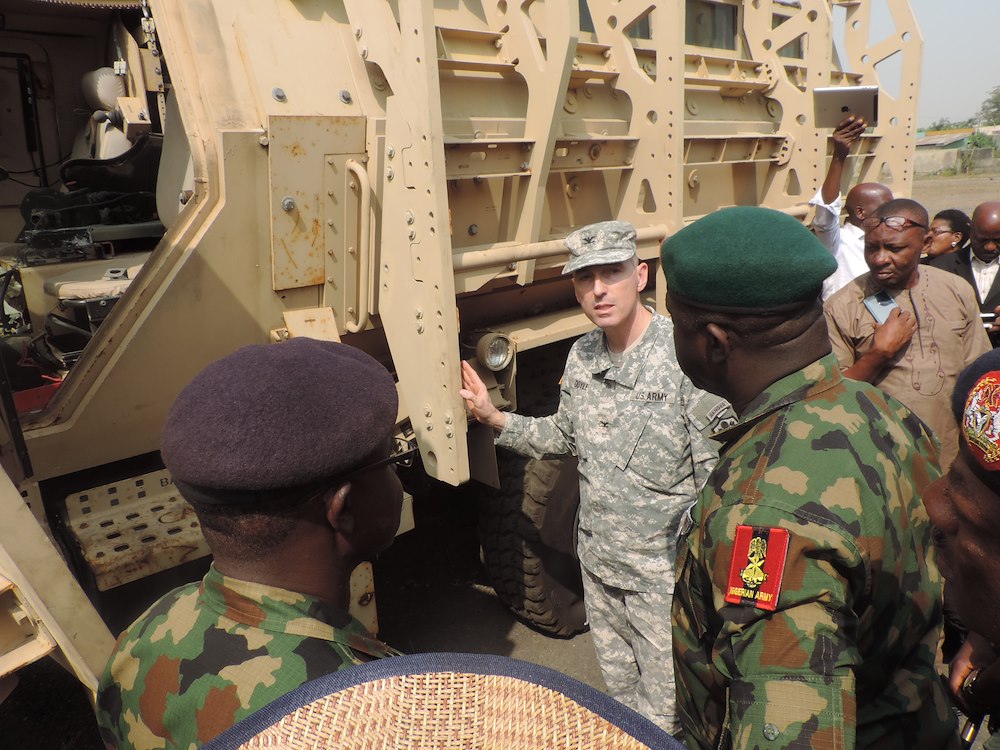
The drawdown comes as Nigeria continues to confront one of Africa’s longest-running security crises. Boko Haram launched a full-scale insurgency in northeastern Nigeria in 2009, and the conflict later produced the Islamic State West Africa Province, or ISWAP, which has repeatedly targeted civilians and military positions around the Lake Chad region. At the same time, armed criminal groups commonly described as bandits have carried out mass kidnappings and attacks across northwestern and central Nigeria. The growing reach of extremist organizations across the Sahel has made Nigeria an important partner for Washington, particularly after Western troops withdrew from countries including Niger, where political changes reduced U.S. access to regional counterterrorism bases.
The withdrawal therefore represents a change in the size of the American military presence rather than a complete U.S. retreat from Nigeria. For Washington, continued intelligence access and cooperation with Africa’s most populous country remain important as Islamic State affiliates and other armed organizations expand their networks across West Africa. For Nigeria, the challenge will be translating foreign intelligence, training and technical assistance into lasting security gains for communities facing insurgent attacks, kidnappings and organized crime. Nigerian defense officials say cooperation with Washington will continue, but the effectiveness of that partnership will ultimately be measured by whether violence declines and Nigerian forces become increasingly capable of confronting the threats without significant foreign operational support.


