


MAIDUGURI, Nigeria (FN) — A cholera outbreak in northeast Nigeria is worsening, with health officials warning that persistent insecurity in the region is making it difficult for medical teams to reach affected communities and contain the spread of the disease.
Authorities in Borno and Yobe states say dozens of new cases have been recorded in recent days, adding to hundreds already documented since the start of the rainy season. Cholera, a waterborne infection that causes severe diarrhea and dehydration, can be fatal if untreated. It spreads quickly in areas with unsafe drinking water, poor sanitation and overcrowded living conditions.
Health workers say the situation is particularly challenging in communities near conflict‑affected zones, where armed groups remain active. Several villages are accessible only with military escorts, and some areas are considered too dangerous for humanitarian teams to enter.
“We are seeing rising cases, but our ability to respond is limited by insecurity,” a senior health official in Borno state said. “Some communities have not been reached for days because of ongoing threats.”
International agencies, including the World Health Organization and UNICEF, have raised concerns about the outbreak’s trajectory. They warn that displacement camps where thousands of families live after fleeing violence are especially vulnerable due to crowded shelters and limited access to clean water.
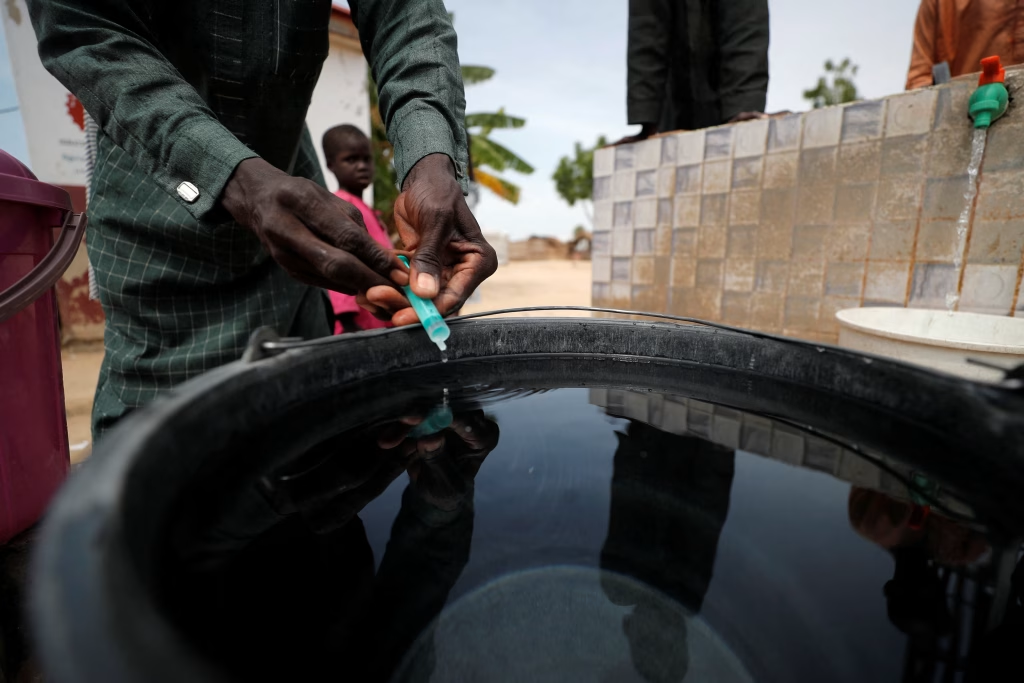
The outbreak comes as Nigeria faces broader public health pressures. Seasonal floods have contaminated water sources, while shortages of medical supplies and overstretched clinics have slowed treatment efforts. Health experts say early intervention is critical, as cholera can kill within hours if severe dehydration is not addressed.
The crisis has drawn attention beyond Nigeria. Public health analysts say outbreaks in conflict zones pose global risks because they strain humanitarian systems and can spread across borders, especially in regions with high population movement. Neighboring countries have been advised to strengthen surveillance along shared routes.
Local residents have expressed frustration, saying they feel abandoned as the disease spreads. Some community leaders have called for increased government presence and improved water infrastructure. Others worry that fear of violence will continue to prevent health workers from reaching those most in need.
The Nigerian government says it is working with state authorities and international partners to expand treatment centers, distribute oral rehydration solutions and improve water quality. Mobile health teams have been deployed where security permits, and awareness campaigns are underway to encourage early reporting of symptoms.


